Top-Rated Demolition Hammer Bits for Concrete and Masonry Projects
Selecting the right demolition hammer bit is essential for efficient material removal on construction and renovation sites. Whether you are breaking through hardened concrete, trenching through stubborn clay, or removing masonry, the shank type and bit geometry dictate overall performance. Options range from heavy-duty 1-1/8 inch hex shanks for large-scale demolition hammers to versatile SDS Max bits compatible with rotary hammer drills. Choosing the correct bit depends on your specific tool's shank requirements and the hardness of the material you are tackling. This guide compares several popular options to help you identify which steel attachments are suited for your specific demolition or landscaping needs based on their published specifications.
Understanding the differences between flat chisels, bull points, and clay spades is key to optimizing your workflow. Bull points are designed for concentrated breaking power, while flat chisels offer better control for shaping or removing layers. For specialized tasks like trenching or excavating, clay spade attachments provide the necessary width to clear material effectively. Because these tools are subjected to significant mechanical stress, durability features like heat-treated steel and alloy construction are common across the category. By reviewing the specific design features and compatibility of these bits, you can ensure your equipment is properly matched to the demands of your job site, whether you are working with asphalt, brick, or stone.

1. XtremepowerUS 2-Piece 1-1/8-Inch Hex Jack Hammer Chisel Bit Set, 16-Inch Bull Point & Flat Chisel, Heat-Treated, Replacement Demolition Bits for Concrete Breakers, Asphalt, Masonry & Tile Removal
This 2-piece set features 1-1/8-inch hex shank bits designed as replacements for concrete breakers. The kit includes a 16-inch bull point chisel and a 16-inch flat chisel, both of which have been heat-treated for durability. These bits are intended for standard demolition tasks such as breaking up concrete, asphalt, masonry, and tile. The 1-1/8-inch hex shank is a common configuration for larger electric jack hammers, making this set a practical choice for users who need a basic, multi-purpose selection of bits for site preparation or light demolition work. The construction focuses on the requirements of heavy-duty breaking, providing both the pointed tip for initial penetration and the flat blade for material removal.
Best for: General concrete and tile demolition.
Check on AmazonHighlights
- Includes both bull point and flat chisel
- 1-1/8-inch hex shank compatibility
- Heat-treated steel construction
- 16-inch length for reach
Keep in mind
- Limited to two specific bit types
- May not be suitable for specialized excavation
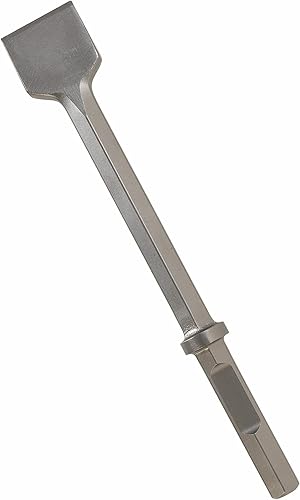
2. Bosch HS2164 20 In. 3 In. Chisel 1-1/8 In. Hex Hammer Steel
The Bosch HS2164 is a 20-inch long, 3-inch wide chisel designed for use with 1-1/8-inch hex hammer systems. This bit is engineered for applications where a wider edge is required for material removal, such as scaling or clearing large surface areas of concrete or masonry. As a Bosch-branded tool, it is designed for integration with compatible heavy-duty hammers. The 3-inch wide blade provides a broader strike surface compared to standard flat chisels, which can assist in more efficient removal of thin-set, mortar, or surface concrete layers. Its 20-inch length provides significant reach, which is beneficial for operators who need to remain upright during floor demolition or surface scraping tasks.
Best for: Scaling and surface material removal.
Check on AmazonHighlights
- Broad 3-inch wide cutting edge
- 20-inch overall length
- 1-1/8-inch hex shank
- Designed for heavy-duty hammer steel
Keep in mind
- Single-purpose wide chisel design
- Requires specific hex hammer compatibility

3. XtremepowerUS Hex Clay Spade Shovel Head Bit for Jack Hammer 1-1/8" for Electric Demolition Jack Hammer Construction Concrete Breaker Punch Drill Alloy Steel, Construction, Trenching, Landscaping
This clay spade shovel head bit is designed for 1-1/8-inch hex jack hammers, specifically targeting construction, trenching, and landscaping applications. Made from alloy steel, this attachment is built to handle the rigors of digging through dense soil or clay. It serves as a specialized demolition tool that transitions the jack hammer from a concrete breaker into an excavation device. The spade design allows for efficient soil displacement, making it a useful accessory for contractors or homeowners working on landscaping projects that require trenching or the removal of packed earth. Its compatibility with standard electric demolition jack hammers makes it a versatile addition to a tool collection for ground-breaking tasks.
Best for: Trenching and excavation in hard soil.
Check on AmazonHighlights
- Spade design for earth removal
- Durable alloy steel construction
- Fits 1-1/8-inch hex jack hammers
- Ideal for landscaping and trenching
Keep in mind
- Not designed for concrete breaking
- Requires specific hex shank tool

4. 24 Inch SDS Max Chisel 3 Piece Set,Point Chisel,1" Flat Chisel and 3" Scaling Chisel,40Cr Steel SDS Max Rotary Hammer Drill Bits for Demolition Work on Concrete,Brick,Stone and Masonry
This 3-piece set consists of a point chisel, a 1-inch flat chisel, and a 3-inch scaling chisel, all measuring 24 inches in length. These bits utilize an SDS Max shank, making them compatible with various rotary hammer drills rather than the larger 1-1/8-inch hex jack hammers. Constructed from 40Cr steel, the set is intended for demolition work involving concrete, brick, stone, and general masonry. The inclusion of three distinct tip styles provides the user with options for breaking, chipping, and scaling. The 24-inch length offers extended reach, which is particularly useful for overhead work or reaching into deep masonry sections. This set is a versatile option for those who use SDS Max rotary hammers for their demolition requirements.
Best for: Versatile masonry and concrete demolition.
Check on AmazonHighlights
- Includes three distinct chisel types
- SDS Max shank compatibility
- Extended 24-inch length
- Constructed from 40Cr steel
Keep in mind
- Not compatible with 1-1/8-inch hex tools
- Performance may vary based on hammer power

5. XtremepowerUS Clay Spade Jack Hammer Bit 1-1/8" Hex Asphalt Scoop Shovel Head Demolition Construction Concrete Breaker Punch for Gardening, Landscaping, Concrete, Bricks, and Sand
The XtremepowerUS clay spade bit is a 1-1/8-inch hex attachment engineered for asphalt scooping and general demolition tasks in landscaping and construction. This wide shovel head is suited for clearing debris, moving loose concrete, bricks, or sand, and performing trenching work. By attaching this to a compatible jack hammer, the user can automate the removal of material that would otherwise require manual shoveling. It is constructed to withstand the mechanical vibration of a concrete breaker, providing a solution for heavy-duty cleanup and ground preparation. The shovel head design is specifically optimized for scooping and displacing material, distinguishing it from standard pointed or flat demolition bits used for breaking hardened surfaces.
Best for: Scooping and clearing debris during demolition.
Check on AmazonHighlights
- Wide asphalt/soil shovel head
- Compatible with 1-1/8-inch hex hammers
- Optimized for material displacement
- Useful for landscaping and debris removal
Keep in mind
- Not a primary tool for breaking concrete
- Limited to 1-1/8-inch hex systems
How to choose
Shank Compatibility
Before selecting demolition hammer bits, verify the shank type required for your tool. The provided options include 1-1/8-inch hex shank bits, which are compatible with specific heavy-duty jack hammers, and SDS Max bits designed for rotary hammer drills. Using a mismatched shank will prevent the bit from seating correctly, rendering the tool ineffective or unsafe. Always check your hammer’s specifications to ensure the hex or SDS Max interface matches your equipment. Choosing the correct shank is the most critical step to ensure a secure fit and efficient power transfer from the hammer to the material during demanding demolition tasks.
Chisel Point Geometry
The shape of the bit determines how it interacts with the substrate. Bull point bits are ideal for piercing and breaking through hardened concrete or masonry. Flat chisels offer a wider edge, making them better suited for removing tiles, brick, or general surface cleaning. Scaling chisels provide a broader surface area for removing larger sections of material efficiently. For specialized tasks like trenching or moving loose soil, clay spade bits are the preferred choice. Matching the point geometry to your specific material—whether it is asphalt, masonry, or packed earth—is essential for optimizing your demolition progress.
Bit Length and Reach
Length options for demolition bits vary significantly, ranging from standard 16-inch sizes to longer 24-inch variations. Longer bits, such as the 24-inch SDS Max sets, provide increased reach, which is beneficial when working in trenches or on vertical surfaces where the operator needs additional clearance. Shorter bits often provide more control and are less prone to deflection during high-impact work. Evaluate the depth of your demolition project to decide if a standard length is sufficient or if an extended reach bit is necessary to maintain proper ergonomics and effective striking angles while working on concrete or stone.
Material Construction
Durability is dictated by the materials used in the bit’s manufacture. Several options listed are constructed from heat-treated alloy steel or 40Cr steel. These materials are engineered to withstand the high-impact forces generated by electric jack hammers and rotary drills. Heat treatment is a standard industry process intended to improve the hardness and longevity of the steel, ensuring the edge remains effective against abrasive materials like brick, asphalt, and concrete. Always prioritize bits that specify these robust material compositions to ensure they can survive the rigors of heavy-duty construction and masonry demolition without premature failure or edge dulling.
Application Versatility
Assess whether you need a single-purpose bit or a multi-piece set. Sets like the 2-piece 1-1/8-inch hex kit or the 3-piece SDS Max collection allow you to switch between point and flat chisels as the project demands. Conversely, specialized tools like the clay spade bit are designed strictly for landscaping, trenching, or moving sand and soil. If your project involves multiple stages—such as breaking through concrete before clearing the debris—investing in a versatile set will save time and equipment changes. Selecting the right tool for the specific demolition stage is key to maintaining productivity on the job site.
Frequently asked questions
Can I use 1-1/8-inch hex bits on any jack hammer?
No. 1-1/8-inch hex bits are specifically designed for jack hammers that feature a corresponding 1-1/8-inch hex shank receiver. They are not compatible with rotary hammers that require SDS Max shanks. Always consult your specific hammer’s manual or manufacturer specifications to confirm the required shank size and shape before purchasing bits, as using an incompatible shank will prevent the bit from locking into the tool correctly and may cause damage.
What is the primary use for a clay spade bit?
A clay spade bit, such as the XtremepowerUS 1-1/8-inch hex model, is engineered for trenching, landscaping, and moving loose material like soil, sand, or gravel. Unlike pointed or flat chisels that are designed to fracture hard masonry or concrete, the spade head acts like a shovel, making it the ideal choice for excavation tasks and clearing debris in construction or gardening applications where you need to move bulk material efficiently.
Are SDS Max bits compatible with 1-1/8-inch hex jack hammers?
No, SDS Max bits and 1-1/8-inch hex bits are different systems and are not interchangeable. SDS Max is a specific shank design used primarily with rotary hammers, while 1-1/8-inch hex bits are used with larger demolition jack hammers. You must use the bit type that matches your specific power tool's chuck or retainer system to ensure safe operation and proper fitment during demolition work.
Which bit should I use for removing tile?
For removing tile or thin-set, a flat chisel bit is generally the most effective tool. The wide, flat edge allows you to slide under the tile to lift it from the substrate. While a bull point is better for breaking through solid concrete, the flat surface of a scaling chisel or a standard flat chisel provides the necessary width to pry up tile and masonry sections with greater efficiency and control.
What does the '40Cr steel' designation indicate?
40Cr steel is a chromium-alloy steel frequently used in the construction of high-impact tools, including SDS Max demolition bits. This material is chosen for its strength and ability to withstand the intense mechanical stress and heavy percussion associated with concrete and masonry demolition. It is designed to provide durability and resist wear, ensuring the bit maintains its structural integrity and edge geometry over the course of demanding construction projects.
Bottom line
For the most versatile performance in heavy-duty demolition, the XtremepowerUS 2-Piece 1-1/8-Inch Hex Jack Hammer Chisel Bit Set is a strong contender, offering both a bull point and a flat chisel to handle breaking and removal tasks. If your work involves specialized trenching or ground excavation, the XtremepowerUS Clay Spade Jack Hammer Bit is the superior choice for moving soil and asphalt. For users requiring high-quality steel for sustained masonry work, the Bosch HS2164 20-inch Chisel is highly regarded for its build quality. The 24-inch SDS Max 3-piece set remains the best fit for those operating rotary hammer drills who need a variety of edge geometries for precision demolition work in brick, stone, and concrete.
Deciding between these bits requires matching the shank type to your tool and the chisel tip to your material. Start by confirming if your equipment uses an SDS Max or 1-1/8-inch hex receiver, as this is non-negotiable. Next, identify the primary material: choose bull points for breaking, flat or scaling chisels for scraping and removal, and spade bits for soil and trenching. If your project spans multiple material types, prioritize multi-piece sets to ensure you have the correct geometry on hand. Finally, consider the reach required for your specific site, opting for longer bits when working in deep trenches or on elevated surfaces.
More from Hand Tools

Top-Rated Demolition Hammer Bits for Makita and SDS Rotary Drills
Compare top-rated demolition hammer bits including SDS Plus, SDS Max, and spline options. Find the right chisel set for your concrete and tile removal tasks.
Read comparison →
Top-Rated Demolition Hammers and Breakers: A Comprehensive Tool Comparison
Compare top-rated demolition hammers and rotary drills. We analyze features, power specifications, and intended applications to help you choose the right tool.
Read comparison →
Top-Rated Demolition Hammers and SDS Rotary Drills for Construction Tasks
Compare professional-grade demolition hammers and cordless SDS rotary drills. Find the right tool for concrete breaking, drilling, and masonry work today.
Read comparison →