Top-Rated Wall Scanners and Stud Finders for DIY Home Projects
Selecting the right wall scanner is a critical step for any home improvement task, whether you are hanging shelves or performing major electrical work. These tools are designed to identify hidden hazards like live wires, pipes, and structural studs behind drywall surfaces. By utilizing electronic detection technology, you can avoid costly mistakes and potential safety risks during drilling or cutting. Our comparison covers a range of devices, from visual scanner systems that pair with mobile devices to traditional electronic detectors with LCD screens. Understanding the specific detection capabilities of each unit ensures you choose the right equipment to match your project needs and accuracy requirements for detecting wood, metal, or plumbing lines.
The market offers various wall scanning solutions, ranging from simple stud finders to advanced multi-mode electronic detectors. When choosing a tool, consider features like auto-calibration, LCD backlight displays, and the ability to distinguish between live and non-live wires. While some models prioritize visual feedback through integrated software, others focus on rapid detection and ease of use via clear digital interfaces. Regardless of your experience level, utilizing a reliable scanner helps pinpoint structural components behind walls, allowing for precise measurements and secure installations. Explore the unique specifications of these popular detection tools to determine which device provides the functionality necessary for your upcoming workshop or home maintenance tasks.

1. DIY 2 – Visual Stud Finder & Wall Scanner for Drywall. Detects Wood & Metal Studs, Plastic & Metal Pipes, Live & Non-Live Wires | Detects wood, metal, pipes and live or non-live wires behind drywall
The DIY 2 serves as a visual wall scanner designed specifically for drywall applications. It utilizes technology to provide a visual representation of what lies behind the wall surface. This device is engineered to detect a wide array of hidden objects, including wood studs, metal studs, plastic pipes, and metal pipes. Additionally, it identifies both live and non-live electrical wires. Because it functions as a visual scanner, it offers a distinct approach compared to standard beep-based stud finders, allowing users to see objects through the lens of the scanning system. Its versatility in scanning for various materials makes it a comprehensive choice for homeowners who need to map out behind-the-wall infrastructure before starting any drilling or demolition work in their living spaces.
Best for: DIYers needing visual confirmation of hidden wall infrastructure.
Check on AmazonHighlights
- Visual scanning technology for drywall
- Detects wood and metal studs
- Identifies plastic and metal pipes
- Locates live and non-live wires
Keep in mind
- Requires compatibility with external devices
- May have a steeper learning curve than standard detectors

2. Portable Wall Scanner, 4 In 1 Electronic Wall Detector with LCD Backlight Display Screen, Support 4 Scan Modes and Rapid Detection, Effortless Operation and Auto Calibration, for Metal Detection
This portable 4-in-1 electronic wall detector is built for versatility and ease of use. It features an LCD backlight display screen, which aids in visibility when working in dim environments or dark corners. The device supports four distinct scan modes, allowing users to switch between settings based on the specific material they are attempting to locate. A key feature of this scanner is its auto-calibration function, which helps maintain accuracy during operation, and its rapid detection capability designed to streamline the scanning process. It is primarily marketed for metal detection and general-purpose wall scanning, making it a functional tool for basic household maintenance and construction tasks where identifying hidden metal components is the primary concern.
Best for: Users needing a portable, multi-mode detector with a backlit display.
Check on AmazonHighlights
- Four distinct scanning modes
- Integrated LCD backlight display
- Features auto-calibration
- Designed for rapid detection
Keep in mind
- Lacks specific performance ratings or reviews
- May not be as specialized as high-end visual scanners

3. Accurate Wall Scanners with Multiple Scanning Type ABS Digital Wall Reader LCD Display High Sensitivity for Cables Building Detectors
Designed for accuracy, this wall scanner serves as a digital reader for various building materials. It features an LCD display that provides clear feedback during the scanning process. The unit is constructed with a focus on high sensitivity, which is intended to help locate cables and other hidden building components effectively. Its scanning functionality allows it to act as a building detector, suitable for identifying objects behind walls. The device is built with an ABS housing, which offers a durable exterior for workshop environments. By focusing on sensitivity and digital readability, this scanner aims to assist users in identifying hidden hazards quickly, though it relies on standard digital feedback mechanisms rather than complex visual mapping systems.
Best for: General scanning tasks requiring high sensitivity and clear digital feedback.
Check on AmazonHighlights
- High-sensitivity detection sensor
- Digital LCD display for readings
- Durable ABS material construction
- Designed for cable and building material detection
Keep in mind
- Performance in varying wall thicknesses is not specified
- Lacks detailed feature documentation
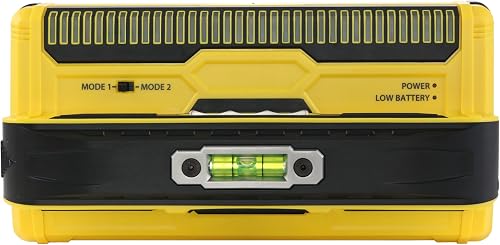
4. Franklin Sensors
Franklin Sensors is a recognized name in the wall scanning market, particularly for their focus on stud finding technology. This specific model holds a solid 4.4 out of 5-star rating, suggesting consistent performance in real-world applications. The design philosophy behind this unit is to provide reliable detection of studs, which is essential for mounting heavy items or performing structural work. While the product record is concise, the brand is well-regarded for its ability to scan walls effectively. It is a suitable choice for those who prioritize a straightforward, proven tool for locating wood and metal framing members behind drywall, emphasizing ease of operation and reliable results for standard home improvement projects and professional installations alike.
Best for: Users seeking a reliable, high-rated stud finding solution.
Check on AmazonHighlights
- Highly-rated brand reputation
- Specialized in stud detection
- Proven performance for structural tasks
- User-friendly operation
Keep in mind
- Limited technical feature list provided
- May not include advanced multi-material scanning modes

5. Franklin Sensors
This Franklin Sensors model boasts a 4.6 out of 5-star rating, reflecting a high level of user satisfaction. As a specialized tool, it is designed to deliver accurate results when scanning for studs. The higher rating compared to other models in the lineup suggests that this version may offer enhanced precision or a more refined interface for the user. It is built to meet the needs of those who require consistent, dependable detection of structural supports behind walls. Whether you are a professional contractor or a dedicated DIY enthusiast, this scanner provides the necessary functionality to identify studs accurately, minimizing the risk of drilling into the wrong areas during renovation or interior design projects.
Best for: Professional or serious DIY projects requiring high accuracy.
Check on AmazonHighlights
- Excellent 4.6-star user rating
- Precision-focused stud detection
- Reliable structural identification
- Trusted brand build quality
Keep in mind
- Features are not explicitly detailed in the record
- Potentially higher cost than entry-level detectors
How to choose
Detection Versatility
When choosing a wall scanner, consider the range of materials it can identify. The Walabot DIY 2 is designed specifically for drywall applications, capable of detecting wood studs, metal studs, plastic pipes, metal pipes, and both live and non-live electrical wires. Other units, such as the 4-in-1 electronic wall detector, focus on general metal detection and specific scan modes. Ensure the device you select matches your project requirements, whether you are simply looking for studs or need to map complex infrastructure like plumbing and wiring behind your walls. Always verify that the device is rated for the specific wall substrate you are scanning, such as drywall.
Display and Interface
Modern wall scanners often feature LCD backlight display screens to improve visibility in dimly lit work areas, such as basements or closets. Models like the generic 4-in-1 detector and the digital wall reader prioritize these screens to provide clear feedback during the scanning process. A high-sensitivity LCD display can help you interpret the location of cables and building materials more accurately. Look for devices that offer straightforward interfaces to reduce the learning curve. While some devices rely on visual indicators, others integrate with digital displays to show the depth or density of the detected objects, which assists in more precise drilling or mounting.
Calibration and Ease of Use
Effortless operation is a key factor for DIY enthusiasts. Many contemporary wall scanners feature auto-calibration, which streamlines the setup process before you begin scanning your walls. This feature is particularly helpful for maintaining accuracy without requiring manual adjustments. Devices that support rapid detection modes allow you to cover more surface area efficiently. When shopping, check if the scanner requires a specific calibration sequence against the wall surface before it can provide reliable readings. Reliable auto-calibration helps prevent false positives, ensuring that the detected wood, metal, or wire locations are consistent throughout your project area.
Brand Reliability and Ratings
Customer ratings provide insight into the consistency of performance for wall scanners. Franklin Sensors, for instance, maintains strong ratings with products listed at 4.4 and 4.6 out of 5 stars, suggesting a high level of user satisfaction. The Walabot DIY 2 also holds a 4.1-star rating. When comparing options, consider these ratings as a baseline for reliability, especially when specialized features like deep-scan capabilities or wire detection are required. High-rated products often reflect better build quality and more consistent detection accuracy, which is crucial when you are working behind finished walls where mistakes can be costly to repair.
Scanning Modes
Different scanners offer varying numbers of scanning modes to handle different materials. A 4-in-1 electronic wall detector provides four distinct modes, allowing the user to switch between settings for metal detection, wood stud detection, and wire tracking. This flexibility is essential for multi-purpose home improvement tasks. Before purchasing, evaluate the scanning modes available to ensure they cover your specific needs. Some scanners are optimized for simple stud finding, while others are built with high-sensitivity sensors intended for detecting electrical cables or complex building structures. Selecting a device with multiple, clearly defined scanning modes enhances your ability to navigate hidden wall hazards effectively.
Frequently asked questions
Can the Walabot DIY 2 detect pipes behind drywall?
Yes, the Walabot DIY 2 is specifically designed for use on drywall surfaces. According to its specifications, it is capable of detecting both plastic and metal pipes, in addition to wood and metal studs. It also identifies live and non-live electrical wires, making it a versatile tool for homeowners planning to drill or mount objects on walls where hidden infrastructure might be present.
What is the benefit of an LCD backlight display on a wall scanner?
An LCD backlight display, found on models like the 4-in-1 electronic wall detector and other digital wall readers, significantly improves visibility. This feature is particularly useful when working in dark environments, such as inside cabinets, closets, or basements. By illuminating the screen, the display allows you to easily read detection results and navigate different scan modes without needing additional lighting, ensuring more accurate and safer scanning results.
Are Franklin Sensors scanners reliable for home projects?
Franklin Sensors products hold strong customer ratings, with listed options achieving 4.4 and 4.6 out of 5 stars. These ratings indicate a high level of user satisfaction regarding the performance and reliability of their scanners for residential tasks. When selecting a tool for your workshop or home renovation, these ratings suggest that Franklin Sensors provides consistent options for detecting studs and other materials behind wall surfaces.
What does auto-calibration do on a wall scanner?
Auto-calibration is a feature included in many modern electronic wall detectors to simplify the scanning process. It automatically adjusts the sensor to the density and composition of the wall surface you are scanning. This ensures that the device maintains high sensitivity and provides accurate detection results without requiring the user to perform manual calibration steps, which makes the tool easier to operate during quick or repetitive wall scanning tasks.
Does a 4-in-1 wall scanner detect more than just studs?
Yes, a 4-in-1 wall scanner is designed to offer multiple scanning modes, which typically extend beyond basic stud finding. These devices are equipped to detect various hidden materials, such as metal objects, electrical cables, and other building infrastructure. By offering four distinct modes, these scanners provide the versatility needed to identify different types of hazards or structural elements behind a wall, helping you avoid accidental damage during renovation or mounting projects.
Bottom line
When selecting the best wall scanner, the choice depends on your specific detection requirements and preference for brand reputation. The Walabot DIY 2 stands out for users requiring comprehensive visual feedback on drywall, as it specifically identifies wood, metal, and various pipe materials alongside electrical wiring. For those who prioritize proven user satisfaction, the Franklin Sensors line is highly compelling, boasting strong ratings of 4.4 and 4.6 stars, which suggests consistent performance in real-world scenarios. While the Walabot provides a unique visual interface for drywall, the Franklin Sensors models are favored for their established track record, making both excellent options depending on whether you value specialized drywall technology or broad, high-rated reliability.
Deciding between these scanners comes down to how you prefer to receive information. If you need to map out complex wall interiors and prefer visual data on a screen, the Walabot DIY 2 or a digital reader with an LCD display is the logical choice. However, if your primary goal is rapid, straightforward stud detection with a focus on ease of use and high reliability, the Franklin Sensors options are superior. Always consider the material of your walls; ensure the chosen scanner is compatible with your specific surface type, such as drywall, to guarantee the most accurate results for your upcoming projects.
More from Hand Tools

Top-Rated Wall Scanners and Stud Finders for Home Improvement Projects
Compare top-rated stud finders including magnetic, electronic, and laser-integrated models to find the right tool for your wall scanning and mounting projects.
Read comparison →Top-Rated Wall Scanners and Stud Finders for Home Improvement Projects
Compare top wall scanning tools for detecting wood studs, metal pipes, and live wires. Find the right scanner for your next home improvement or DIY project toda
Read comparison →
Top-Rated Wall Scanners and Stud Finders for Precise AC Wire Detection
Compare top-rated stud finders featuring AC wire detection. Explore options for wood, metal, and live electrical tracking to secure your next home project.
Read comparison →